Keep Your HVAC System Running Efficiently
Understanding the True Cost of Ductless Mini-Split Installation: What You Need to Know
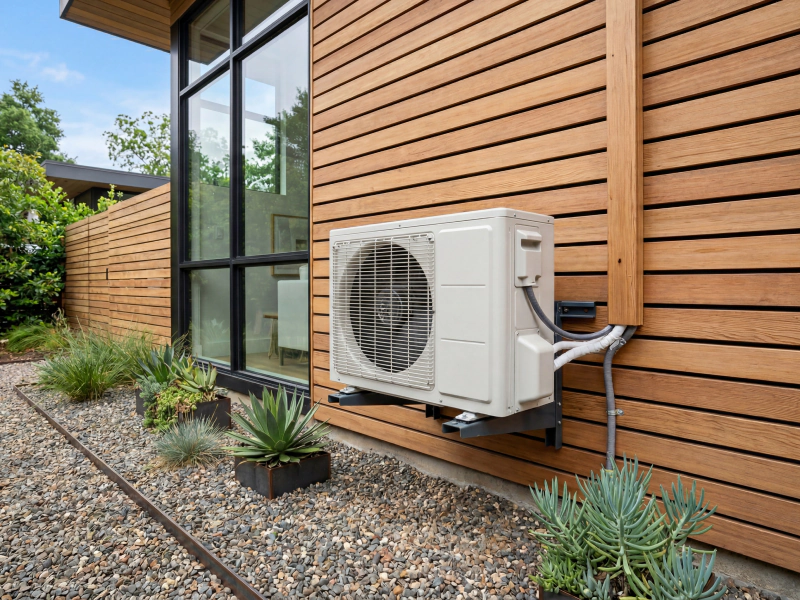
Pricing Factors, Equipment Options, and Long-Term Savings
Equipment and System Sizing Considerations
Equipment represents the largest portion of your investment when installing a ductless mini-split system. Single-zone systems, which serve one room or area, typically cost between $2,000 and $5,500 for equipment and installation combined. Multi-zone configurations, which connect multiple indoor units to a single outdoor compressor, range from $4,500 to $15,000 or more depending on the number of zones and system capacity.
The specific equipment cost varies based on several factors. Brand reputation and energy efficiency ratings play significant roles in pricing. Higher SEER2 ratings (Seasonal Energy Efficiency Ratio) deliver better long-term savings on utility bills but command premium upfront costs. In the Memphis area, where summer temperatures frequently exceed 90 degrees and humidity remains high from May through September, selecting a system with adequate cooling capacity and dehumidification features becomes critical for comfort and efficiency.
System sizing must account for your specific space. A residential HVAC contractor will calculate the British Thermal Units (BTUs) needed based on square footage, ceiling height, insulation quality, window placement, and sun exposure. Undersized equipment will struggle during peak summer heat, while oversized systems cycle on and off inefficiently, wasting energy and failing to control humidity properly. In older homes throughout Atoka, Bartlett, and Collierville, poor insulation and air leakage often require slightly larger capacity units to maintain consistent comfort.
Labor and Installation Complexity
Professional installation labor typically accounts for $1,500 to $3,000 of your total project cost, though complex installations can exceed this range. Labor pricing reflects the skill and precision required to properly install refrigerant lines, electrical connections, condensate drainage, and mounting hardware. Unlike traditional ducted systems, ductless installations require specialized training in refrigerant handling, vacuum procedures, and system commissioning to ensure optimal performance and warranty compliance.
Installation complexity directly impacts labor costs. Standard installations on exterior walls with short line set runs (the copper tubing connecting indoor and outdoor units) fall at the lower end of the pricing spectrum. Situations requiring longer line runs, multiple indoor units, complex electrical upgrades, or challenging mounting locations increase labor hours and expense. In two-story homes common throughout the Memphis suburbs, installing units on second-floor bedrooms requires additional time for line set routing and secure mounting on upper exterior walls.
Electrical work often adds to installation costs. Most ductless systems require a dedicated 220-volt circuit, and older homes may need electrical panel upgrades to safely accommodate the new load. Tennessee’s electrical code requires licensed electricians to perform this work, adding $300 to $800 depending on panel capacity and distance from the outdoor unit. During the spring and early summer installation season, when demand for air conditioning installation and repair peaks in our region, scheduling may extend project timelines by one to two weeks.
Permitting and inspection requirements vary by municipality but typically cost $50 to $200. Local building departments in Shelby and Tipton counties require permits for HVAC installations to ensure code compliance and system safety. Reputable contractors handle permit applications and schedule required inspections as part of their service, protecting your investment and ensuring proper documentation for future home sales.
Regional Factors Affecting Pricing in Tennessee
Geographic location influences both equipment availability and labor rates. The Memphis market and surrounding communities experience moderate pricing compared to major metropolitan areas on the coasts, but costs remain higher than in smaller rural markets. Local hvac contractors price competitively while maintaining the necessary licensing, insurance, and training to deliver quality installations that meet manufacturer warranty requirements.
Seasonal demand creates pricing fluctuations throughout the year. Spring and early summer represent peak installation periods as homeowners prepare for the intense heat and humidity that define Tennessee summers. During these months, lead times extend and some contractors charge premium rates due to high demand. Conversely, fall and winter installations often come with promotional pricing and faster scheduling. October through February offers an ideal window for installation projects, allowing systems to be tested and optimized before the cooling season begins.
Regional climate conditions affect system selection and long-term costs. Memphis’s humid subtropical climate demands systems with robust dehumidification capabilities and the durability to handle temperature extremes. Summer heat indexes regularly reach 105 degrees or higher, while winter temperatures occasionally drop into the teens. Quality heat pump systems designed for our climate zone provide reliable year-round comfort, but budget equipment may struggle during temperature extremes, leading to higher energy bills and premature component failure.
Utility incentive programs can offset initial costs. The Tennessee Valley Authority and local utility providers periodically offer rebates for energy-efficient hvac upgrades that meet specific efficiency thresholds. These programs change annually, but qualified systems can receive rebates ranging from $300 to $1,500. Your HVAC contractor should be aware of current incentive programs and help you take advantage of available savings during the planning phase.
When to Replace Instead of Repair Your Existing System
While upfront costs command immediate attention, long-term operating expenses significantly impact the true cost of ownership. Ductless mini-split systems typically consume 25 to 40 percent less energy than traditional ducted systems because they eliminate the 20 to 30 percent energy loss common in conventional ductwork. For Memphis-area homeowners, where air conditioning runs six to seven months annually, these efficiency gains translate to substantial utility savings. A properly sized system can reduce monthly cooling costs by $50 to $150 during peak summer months compared to older, less efficient systems.
Maintenance requirements affect long-term costs and system longevity. Ductless systems require regular filter cleaning every two to four weeks during heavy-use periods and professional maintenance annually. HVAC maintenance services typically cost $120 to $200 per visit and include refrigerant level checks, coil cleaning, electrical connection inspection, and condensate drain clearing. Neglecting maintenance voids most manufacturer warranties and significantly increases the likelihood of expensive repairs. In our humid climate, where outdoor units accumulate pollen, dust, and organic debris, consistent maintenance becomes even more critical to prevent efficiency loss and component damage.
System lifespan influences total cost of ownership. Quality ductless mini-split systems last 15 to 20 years with proper maintenance, compared to 10 to 15 years for traditional central air systems. The extended service life spreads the initial investment over more years of reliable operation. However, warranty coverage varies significantly by manufacturer and installation quality. Premium systems offer 10-year compressor warranties and 5-year parts coverage, while budget options may provide only 3 to 5 years of limited protection. Installation errors that void warranties can leave homeowners facing expensive out-of-pocket repairs within the first few years.
Zoning capabilities deliver additional value by allowing precise temperature control in different areas. Rather than cooling an entire home to accommodate one hot bedroom, ductless systems let you condition only occupied spaces. This targeted approach reduces energy waste and enhances comfort, particularly in homes where family members have different temperature preferences. For homeowners adding conditioned space to previously uncooled areas like garages, workshops, or bonus rooms, ductless systems provide affordable expansion without the expense and disruption of extending ductwork throughout the home.
Planning Your Investment and Choosing the Right Contractor
Understanding when to invest in a ductless mini-split installation versus continuing to repair an aging central air system requires careful cost analysis. If your current system is more than twelve years old and requires repairs exceeding $1,500, replacement often delivers better long-term value. Memphis-area homeowners frequently face this decision during late spring when temperatures climb rapidly and older units struggle to keep up with demand. A failing system during May or June means emergency service calls that carry premium pricing, often $200 to $400 more than scheduled installations.
Energy costs provide another critical factor in the replacement decision. If your monthly cooling bills during July and August exceed $250 for a moderately sized home, an inefficient system may be costing you $800 to $1,200 annually compared to modern energy-efficient hvac upgrades. Over a ten-year period, that difference equals $8,000 to $12,000 in wasted energy. A new ductless system with a SEER rating of 20 or higher recovers its installation premium through reduced operating costs within five to seven years for most homes in Shelby and Tipton counties.
Homes with additions, converted garages, or finished attics in areas like Cordova and Lakeland benefit particularly from ductless technology. Extending ductwork to these spaces often costs $3,500 to $7,000 and reduces overall system efficiency by 20 to 30 percent due to increased duct losses. A dedicated mini-split zone serving these areas delivers superior comfort at lower installation cost while maintaining peak efficiency. Local contractors specializing in hvac system replacement can perform a side-by-side cost comparison showing precisely when replacement makes financial sense for your specific situation.